Brewery
Kegna Beverages
Ginchi · Ethiopia
Beer in Ethiopia is led by a few large brewing groups, whose highland lagers turn up in almost every bar, while craft beer remains a small scene that, as far as we know, is centred on Addis Ababa: a brewpub making its own beer and a venue pouring tella brewed from different grains. Commercial brewing goes back to the 1920s, when what is generally described as the country's first brewery opened in the capital. Older still are the home brews: tella, a smoky grain beer bittered with gesho leaves, and tej, a honey wine poured in tej houses up and down the country. Beyond the glass, Ethiopia counts 12 UNESCO World Heritage Sites and a long Christian history, and apart from the Italian occupation of 1936 to 1941 it was never colonised. Several governments advise against travel to Tigray, Amhara and Gambela, where several of the best known historic sites lie, so read your own government's latest advice before travelling beyond Addis Ababa.
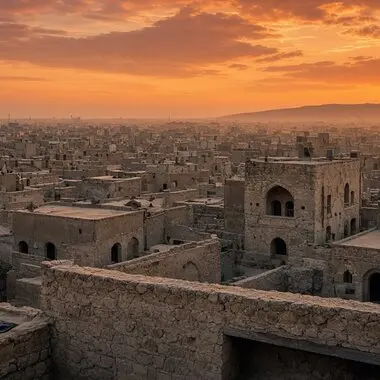 Number 1: Addis Ababa3 breweries · 1 venue
 Number 2: Debre Birhan2 breweries · 0 venues
 Number 3: Bedele1 brewery · 0 venues
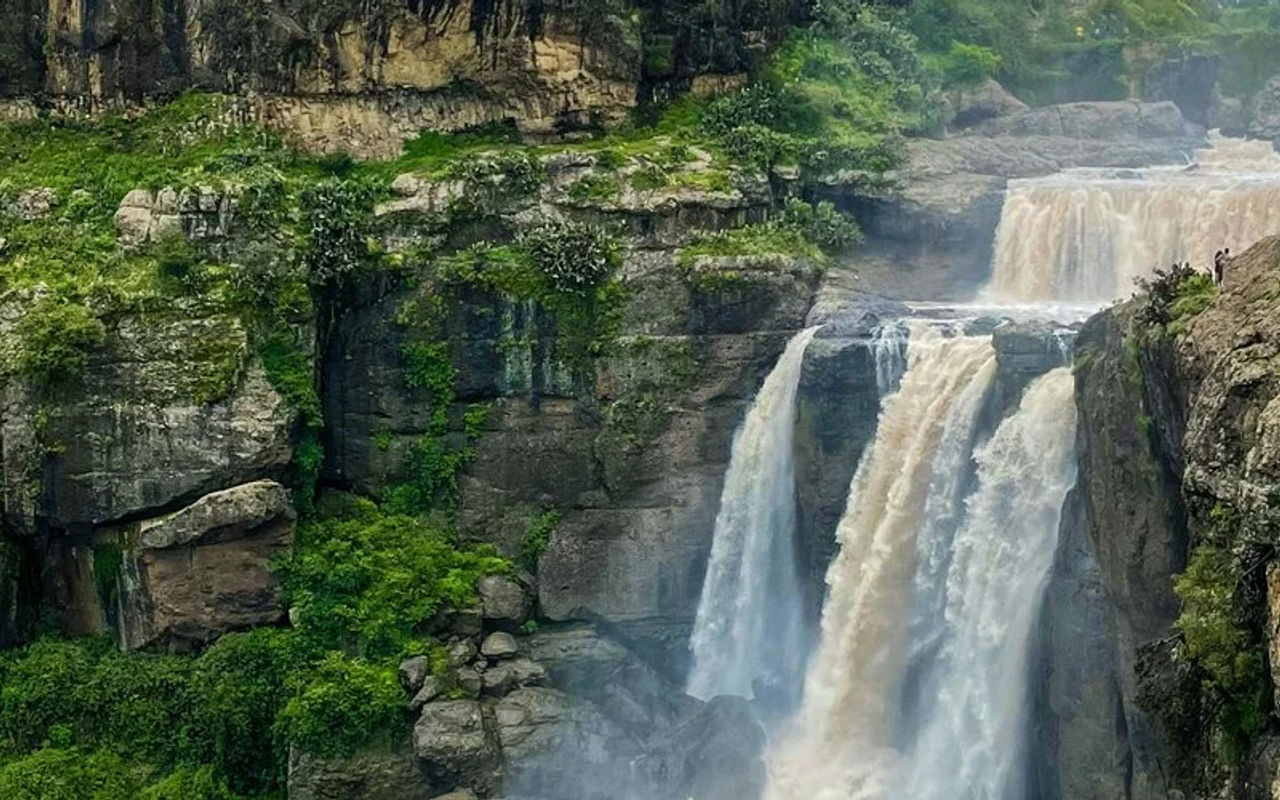
 Number 4: Ginchi1 brewery · 0 venues
 Number 5: Gondar1 brewery · 0 venues
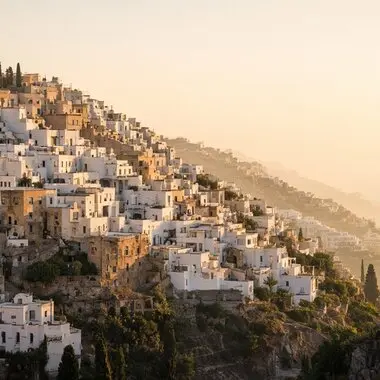 Number 6: Gubre1 brewery · 0 venues
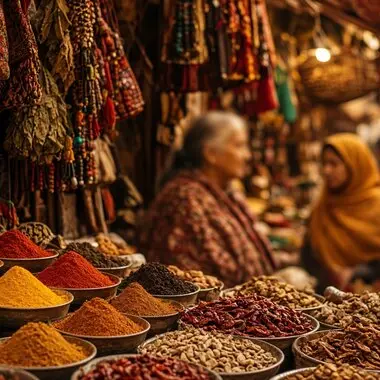 Number 7: Harar1 brewery · 0 venues
 Number 8: Hawassa1 brewery · 0 venues
 Number 9: Kombolcha1 brewery · 0 venues
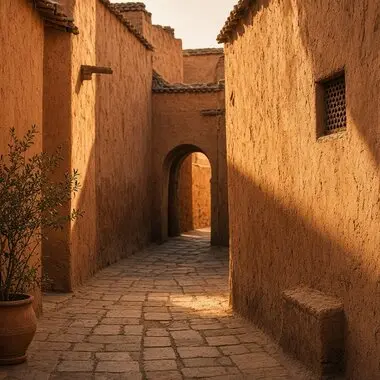 Number 10: Maichew1 brewery · 0 venues
 Number 11: Modjo1 brewery · 0 venues
Larger pins have more breweries. Nearby cities group into numbered circles, showing how many cities they hold: zoom in to see each one.
Each pin is a city with listings. On a touch screen, tap a pin to see its details. Every city also opens from the lists above.
Ethiopia sits in the Horn of Africa, on a high plateau cut by deep valleys and mountain ranges, with Addis Ababa as its capital. It is one of the oldest Christian countries in the world, with a written history that reaches back to the kingdom of Aksum, and, apart from a short Italian occupation from 1936 to 1941, it was never colonised. That long, distinct history shows in its churches, its calendar, its food and its drinks.
Yes, but only a little. As far as we know, craft brewing is concentrated in Addis Ababa, where a brewpub brews on site and a tella house serves versions made from several grains. Outside the capital, almost everything on offer is lager from a handful of large brewing groups, so a local craft beer is a rare find.
Tella is the traditional Ethiopian grain beer. It is usually home brewed from barley, maize, sorghum or teff, bittered with gesho leaves and fermented in smoked clay pots for around nine to ten days, which gives it a smoky taste and modest strength. It is sold in tella houses, known locally as tella bets.
Tej is an Ethiopian honey wine made from honey, water and gesho, the same bittering plant used in tella. It is poured into a berele, a small glass flask with a rounded bottom, and drunk in tej houses, or tej bets. Strength and sweetness vary from place to place, so it is worth asking before ordering.
October to March is often recommended, as this is generally the dry season. The main rains tend to arrive in June and last until September, with July and August usually the wettest months. Conditions differ between the highlands and the lowlands, so it helps to check the forecast for each region on your route.
Not without checking official advice first. Official advice from several governments covers Tigray, Amhara and Gambela, the regions that include Lalibela, Gondar, Bahir Dar, the Simien Mountains and Axum, as well as other parts of the country. This advice can change at short notice, so read your own government's current guidance before you go.
Updated