Brewery
Algerian All Drinks (ALGAD)
Tessala El Merdja · Algeria
Beer in Algeria is a story of big lagers rather than craft. We list a handful of breweries, almost all of them industrial plants run by a handful of large groups, including one that has belonged to an international brewer since 2008, and as far as we know there is still no craft brewery or brewpub. Alcohol is legal but closely controlled: selling it needs a licence, licensed bars are capped by population, many restaurants serve none and drinking in public is against the law. That makes a cold lager in a hotel bar or a licensed city bar the usual way to try local beer. The country itself is the reason most travellers come. A long Mediterranean coast with lively port cities gives way to mountains and then the vast Sahara, and seven UNESCO World Heritage properties span Roman ruins, an old walled medina, desert towns and prehistoric rock art. Visas are generally needed in advance, and several governments advise against travel to border areas and the remote desert, so check official advice first.

Larger pins have more breweries. Nearby cities group into numbered circles, showing how many cities they hold: zoom in to see each one.
Each pin is a city with listings. On a touch screen, tap a pin to see its details. Every city also opens from the lists above.
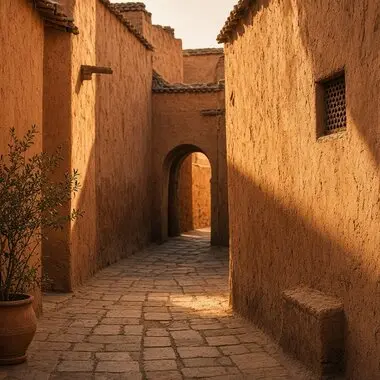
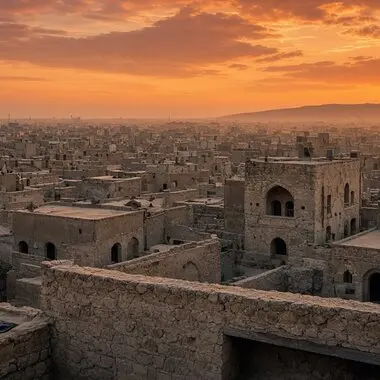
Algeria stretches from a busy Mediterranean coast with cities such as Algiers, Oran, Constantine, Annaba and Tlemcen to the deep Sahara. Its history runs through Amazigh kingdoms such as Numidia, Phoenician and Roman towns, Islamic dynasties, Ottoman rule from Algiers and more than a century of French rule, ending with independence in 1962.
Most international flights land at Algiers Houari Boumediene airport, east of the capital. Oran and Constantine also have airports, and the national carrier Air Algérie links both with Algiers, so flying into one city and out of another can work. Which foreign airlines serve the regional airports changes over time, so check current schedules.
In Algiers, a metro opened in 2011 and a single tram line make it easy to move around without driving, and Oran and Constantine each have a tram line too. The state rail company SNTF runs trains between the main cities, and domestic flights save time on long distances; remember your passport for those.
Yes, but only from shops that hold a takeaway alcohol licence issued by the local wilaya authorities, and such shops can be hard to find. Selling alcohol online is reportedly banned under a 2018 law on online trade, so delivery apps are not an option. Keep any bottles you buy out of sight and drink them in private.
For the deep south, aim for the cooler months, roughly November to February, when days are pleasant and nights can be cold. Summer in the desert is extremely hot and many tour operators reportedly close from May to September. Also note that Ramadan next begins in February 2027, which changes opening hours.
Visitors who are not resident may not import or export Algerian dinars, so plan to change money once you land. Any cash worth more than 5,000 euros has to be declared to customs on entry. These rules can be revised, so confirm current guidance from your foreign ministry and Algerian customs shortly before departure.
Updated