
Cervecería Jack Vled
Pachacamac, Peru
Pachacamac is a rare find rather than a crawl: this district in the southern cone of Lima Province, Peru, is home to a brewery, so look for a glass after a visit to the sanctuary valley and toast this southern Lima district. It takes its name from the great pre-Hispanic sanctuary in the Lurín valley, a religious centre that drew pilgrims long before the Inca and long before the modern Lima district that surrounds it. Spanish forces reached the valley on 30 January 1533 and left the sanctuary on 3 March that year. In 1573 colonial authorities gathered Caringas, Manchais and Pachacámac people into the reducción known as Santísimo Salvador de Pachacámac, the core of today's town. The archaeological sanctuary remains the district's defining landmark, with layers from coastal cultures through Wari and Inca rule. Buses and colectivos from Lima reach the district along the southern corridors; allow time for the sanctuary visit and for the quieter streets of the colonial-era pueblo.
Pachacamac is a district in the southern cone of Lima Province, Peru. It takes its name from the great pre-Hispanic sanctuary in the Lurín valley, a religious centre that drew pilgrims long before the Inca and long before the modern Lima district that surrounds it.
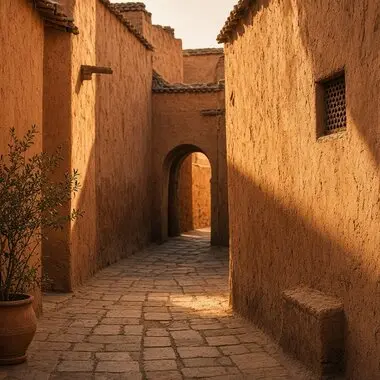
Buses and colectivos from Lima reach the district along the southern corridors of Lima Province. Allow time for the sanctuary visit and for the quieter streets of the colonial-era pueblo. Keep this guide distinct from other Andean places that share related place-names.
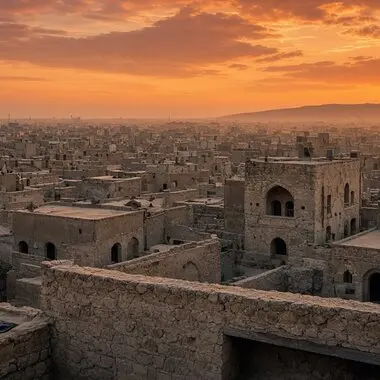
It is the great pre-Hispanic sanctuary in the Lurín valley, a religious centre that drew pilgrims long before the Inca. The archaeological sanctuary remains the district's defining landmark, with layers from coastal cultures through Wari and Inca rule around today's town.
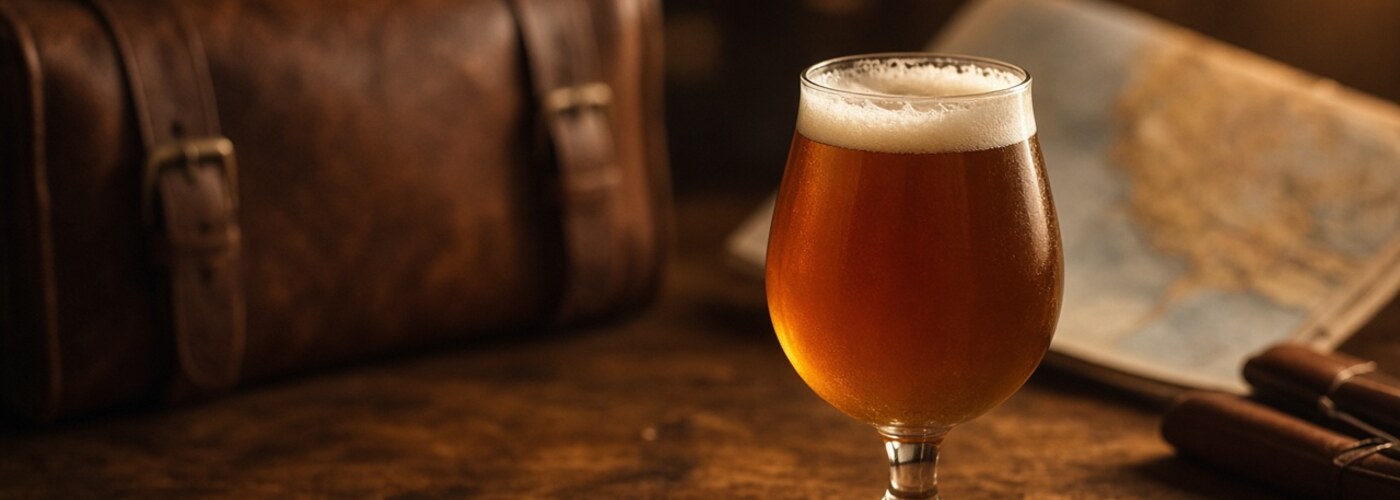
Yes. Pachacamac is home to a brewery, so look for a glass after a visit to the sanctuary valley and toast this southern Lima district. It is a rare find rather than a crawl in the southern cone of Lima Province.
Spanish forces reached the Lurín valley on 30 January 1533 and left the sanctuary on 3 March that year. In 1573 colonial authorities gathered Caringas, Manchais and Pachacámac people into the reducción known as Santísimo Salvador de Pachacámac, the core of today's town.
Updated