Ponto G
0.2 mi from the city centre
Santarém, Portugal
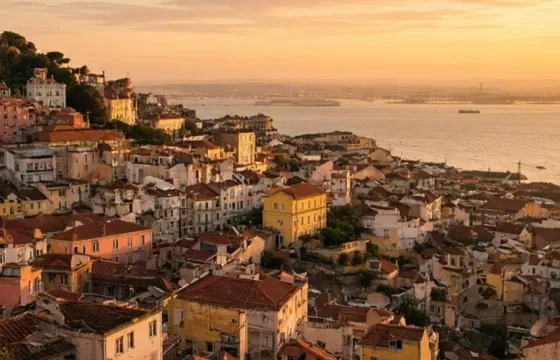
Santarém, the historic capital of the Ribatejo, stands on a plateau above the River Tagus and is known as Portugal's Capital of the Gothic. Follow its trail of Gothic churches and tombs, admire 17th-century tiles and take in the views from the Portas do Sol garden.

Pins match the listings on this page. On a touch screen, tap a pin to see its details. Every listing also opens from its card.
Santarém, the historic capital of the Ribatejo, stands on a plateau on the right bank of the River Tagus, some 65 km north-east of Lisbon, looking out over the lezíria. Its remarkable collection of Gothic churches and tombs has earned it the title "Capital of the Gothic" in Portugal.
Because of its remarkable collection of Gothic churches and tombs. Highlights include a church begun around 1380 with a Flamboyant Gothic façade and rose window, a former Franciscan convent church considered Portugal's finest Gothic work before Batalha, a 13th-century mendicant Gothic church, and a museum of art and archaeology full of medieval tombs.
The Portas do Sol garden, on the site of the old Alcáçova, which the city calls its most beautiful viewpoint. It looks out over the River Tagus, the flat lezíria lands and the old riverside quarter of Ribeira de Santarém. It makes a good starting point for the city's Gothic trail.
Visit the Church of Nossa Senhora de Marvila, whose 17th-century tile work of some 65,000 tiles has earned it the name "cathedral of 17th-century tiles". Then head to the Municipal Market of 1930, its outer walls covered with tile panels showing daily life in the Ribatejo, a short walk through the historic centre.
Pedro Álvares Cabral, the navigator who reached Brazil in 1500, has his flat gravestone in a Gothic church here, beside the tomb of Ceuta's first governor. Afonso Henriques, Portugal's first king, took the city in 1147, and the conquest of Ceuta in 1415 was planned in its royal palace.
Updated