Cerveja Candal
3.3 mi from the city centre
Lousã, Portugal
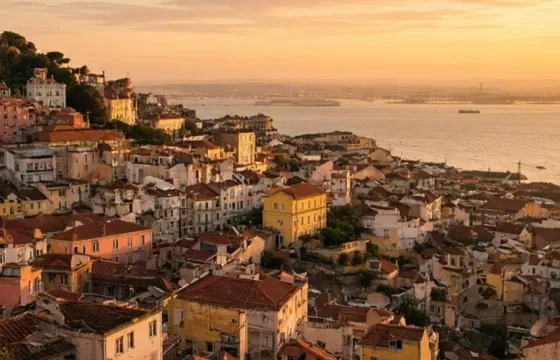
Lousã sits in a basin below the Serra da Lousã, with five of the 27 Schist Villages within the municipality. Read on for walking trails, mountain-bike routes and river beaches, a castle linked to a legend, a papermaking past and local honey, liqueurs and crafts.
Pins match the listings on this page. On a touch screen, tap a pin to see its details. Every listing also opens from its card.
Lousã sits in a basin below the Serra da Lousã, and the municipality's own history traces the place back to Roman times, when gold was mined in the mountains and the Ceira valley. A contract of 943 first names "Arauz", the settlement by the hill where the Castle of Arouce later stood; legend credits its founding to an emir called Arunce, who built it to protect his daughter Peralta. Afonso Henriques granted Arouce a charter in 1151, and Manuel I issued a new one on 25 October 1513. In the 18th century the town grew prosperous on paper: by 1716 the Penedo paper mill was supplying the Jesuit press in Coimbra, and in 1868 the Boque factory in Serpins ran the first continuous papermaking machine in Portugal. In March 1811, during the third French invasion, retreating troops plundered the town and carried off silver from the parish church. The railway arrived in 1906, ending the town's isolation from Coimbra. Today five of the 27 Schist Villages (Aldeias do Xisto) lie within the municipality, a network that offers more than 600 km of approved walking trails, mountain-bike routes and river beaches. Local crafts include basketry, schist work and ceramics, and the traditional products include liqueurs, sweets, sausages and Serra da Lousã PDO honey.
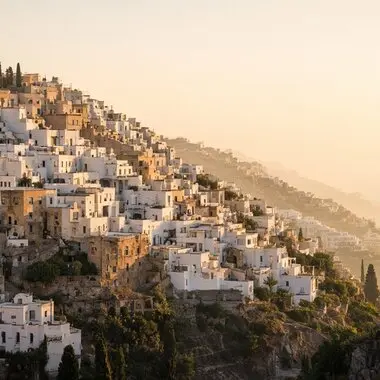
Five of the 27 Schist Villages (Aldeias do Xisto) lie within the municipality of Lousã. The network offers more than 600 km of approved walking trails, as well as mountain-bike routes and river beaches, set in the mountains of the Serra da Lousã above the town's basin.
Legend credits the founding of the settlement by the Castle of Arouce to an emir called Arunce, who built it to protect his daughter Peralta. A contract of 943 first names Arauz, the settlement by the hill where the castle later stood, and Afonso Henriques granted Arouce a charter in 1151.
In the 18th century Lousã grew prosperous on paper. By 1716 the Penedo paper mill was supplying the Jesuit press in Coimbra, and in 1868 the Boque factory in Serpins ran the first continuous papermaking machine in Portugal. The railway arrived in 1906, ending the town's isolation from Coimbra.
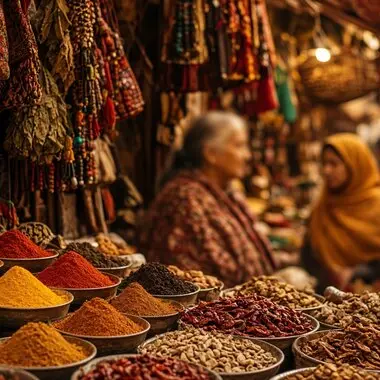
The traditional products of Lousã include liqueurs, sweets, sausages and Serra da Lousã PDO honey. Local crafts include basketry, schist work and ceramics, and the municipality's own history traces the place back to Roman times, when gold was mined in the mountains and the Ceira valley.
Updated