PITBULL Craft Beer
3.1 mi from the city centre
Estarreja, Portugal
Estarreja is known for its wetlands by the Ria de Aveiro, where flat trails cross rice fields, salt marsh and reed beds rich in birds. Read on for a rice museum in an old husking factory, Art Nouveau houses, the home of Portugal's first Nobel laureate and 2 craft breweries.

Filter by venue type
Pins match the listings on this page. On a touch screen, tap a pin to see its details. Every listing also opens from its card.
Estarreja, in the district of Aveiro, is built along the banks of the River Antuã near the Ria de Aveiro. According to the council, the municipality has more than 500 km of waterside, cut through by channels and streams known as esteiros. In 1926 part of its territory was separated to form the new municipality of Murtosa. Its municipal holiday is 13 June, the feast of Saint Anthony.
Estarreja is in the district of Aveiro, built along the banks of the River Antuã near the Ria de Aveiro. According to the council, the municipality has more than 500 km of waterside, cut through by channels and streams known as esteiros. Its municipal holiday is 13 June, the feast of Saint Anthony.
A network of trails crosses rice fields, salt marsh, reed beds and the rare 'bocage' farmland, home to otters, purple herons, marsh harriers, kingfishers and spoonbills. The 8 km circular Salreu trail starts and ends at an environmental interpretation centre, and shorter routes follow the rivers. All are flat and open year-round.
A rice museum, built from the ruins of a husking factory that worked from 1922 until the late 1980s, tells the story of rice growing. In Avanca, the Art Nouveau house of Egas Moniz, Portugal's first Nobel laureate, holds paintings and his library, and another house-museum in town shows works by Josefa de Óbidos.
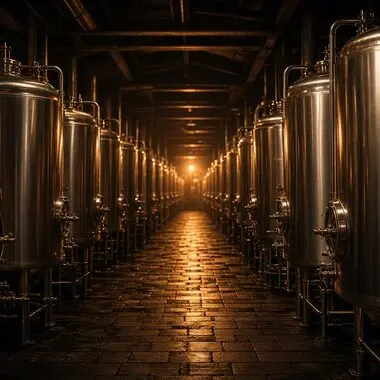
Estarreja has 2 craft breweries, worth seeking out after a day on the wetland trails among the rice fields. The flat routes through the reed beds and along the rivers are open year-round, and the area's rice-growing story is told in a museum set in an old husking factory.
Updated