Mean Sardine
1.3 mi from the city centre
Ericeira, Portugal
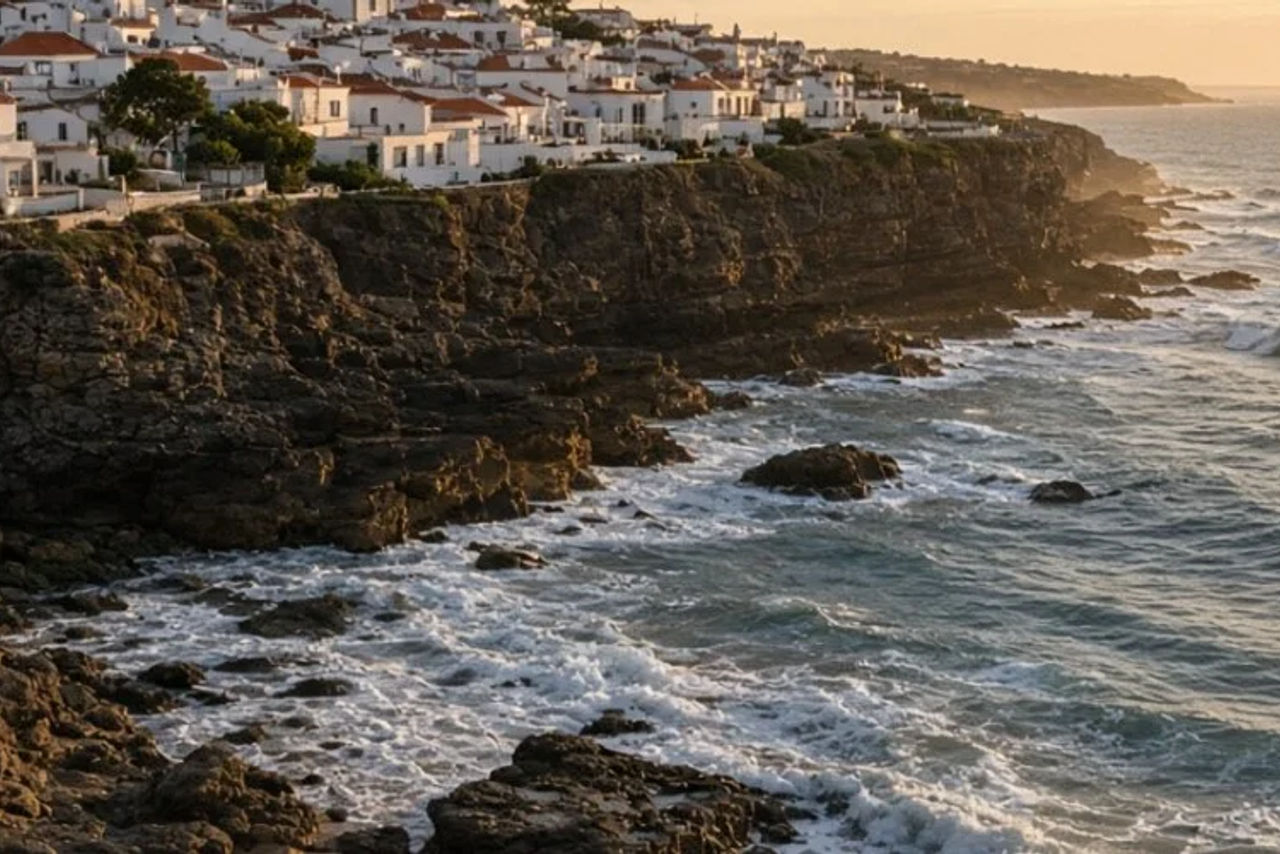
Ericeira is known for surfing: its cliffs, bays and secluded beaches form the second World Surfing Reserve, with waves for every level. Read on for the legend behind its name, a 19th-century port, the royal family's departure into exile and craft beer taprooms.
Filter by venue type
Pins match the listings on this page. On a touch screen, tap a pin to see its details. Every listing also opens from its card.
Showing 3 of 4 places on the map. Places without an exact address are only in the lists.
Ericeira is a seaside parish in the municipality of Mafra, 35 km north-west of central Lisbon. Its rocky cliffs, small bays and secluded beaches form the Ericeira World Surfing Reserve, approved in February 2011 and dedicated that October as the second World Surfing Reserve. It covers about 5 km of coastline with a high density of surf breaks, including Ribeira d'Ilhas and Coxos. Surfing arrived here in the mid-1970s, and the waves suit every level, from beginners to professionals.
Its rocky cliffs, small bays and secluded beaches form a World Surfing Reserve, approved in February 2011 and dedicated that October as the second in the world. It covers about 5 km of coastline with a high density of surf breaks, including Ribeira d'Ilhas and Coxos, and the waves suit every level.
Legend says the name means 'land of sea urchins', but an old coat of arms of the town, now kept in a local archive and museum, shows a hedgehog instead. The first charter dates from 1229, and in 1855 the town stopped being a municipality and came under Mafra, 35 km north-west of central Lisbon.
In the 19th century it was the busiest port in Estremadura, with its own customs house. In 1910 the Portuguese royal family embarked here into exile, the episode that marks the end of the monarchy. The old fishing community, the 'Jagoz', lived almost entirely from the sea.
Yes. Ericeira has craft beer taprooms, a good way to round off the day by the sea after a session at Ribeira d'Ilhas or Coxos. Surfing arrived here in the mid-1970s, and the waves suit every level, from beginners to professionals.
Updated