
Ascension Cider
2 mi from the city centre
Hurst Green, England
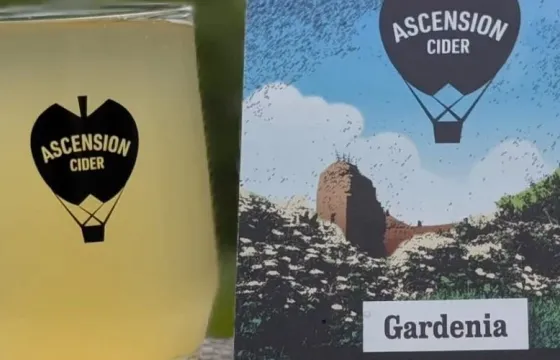
Hurst Green is a rare find rather than a crawl: this village in East Sussex is home to a small cider maker based on a farm nearby, so here the local pour comes from the orchard rather than the hop garden. It is a place for slow countryside days. The whole parish sits inside the High Weald, a protected landscape of wooded hills, sandstone ridges, ancient woodland, hedgerows and sunken lanes, with some of the darkest night skies in south-east England. The village grew up on the old road from London to Hastings, where a regular passenger coach began running in 1745 and smugglers once worked the lanes between the coast and London. Stroll past Holy Trinity, the brick parish church built in 1884, and the old Courthouse, opened in 1892 on the site of a toll gate cottage, then head out on the footpaths. Etchingham station, at the bottom of the hill, is on the line between London Charing Cross and Hastings, and after a day in the High Weald a glass of local cider is the way to raise a toast to the Sussex countryside.

Pins match the listings on this page. On a touch screen, tap a pin to see its details. Every listing also opens from its card.
Hurst Green in East Sussex, not to be confused with the places of the same name in Surrey and Lancashire, is a village and civil parish in the Rother district, just south of the Kent border. It lies on the A21 roughly halfway between Tunbridge Wells and Hastings, and the whole parish sits inside the High Weald, a protected landscape of wooded hills, sandstone ridges and small fields that is now called a National Landscape and remains legally an Area of Outstanding Natural Beauty.
By train or bus. Etchingham station, at the bottom of the hill below the village, is on the line between London Charing Cross and Hastings, with typically one train an hour each way off-peak. A bus route along the A21 corridor stops in the village and links it with Hastings, Battle, Robertsbridge, Hawkhurst, Wadhurst and Tunbridge Wells.
It is a protected landscape of wooded hills, sandstone ridges and small fields, now called a National Landscape and legally still an Area of Outstanding Natural Beauty. The whole parish of Hurst Green sits inside it, a medieval landscape of ancient woodland, hedgerows, scattered farmsteads and sunken lanes, with some of the darkest night skies in south-east England.
Start with Holy Trinity, the brick parish church built in 1884, with a two-tier belfry over its west end and a chancel redecorated in 1906 with a painted roof. On the main road, the old Courthouse opened in 1892 on the site of a toll gate cottage. Just outside the parish, Haremere Hall is a Grade I listed Jacobean house.
Yes, cider. Hurst Green is home to a small cider maker based on a farm near the village, so here the local pour comes from the orchard rather than the hop garden. Seek out a glass after a day on the footpaths and sunken lanes of the High Weald and raise it to the Sussex countryside.
Updated