Urban Brewing Co.
Hout Bay, South Africa
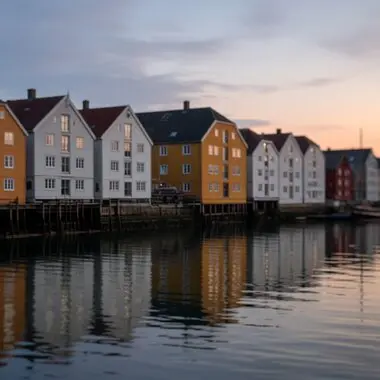
Hout Bay is a harbour village on the Atlantic side of the Cape Peninsula, and for beer lovers it has a brewery right by the harbour, a rare find in a fishing village and the kind of place where you might meet the brewer. It makes a fitting final stop after a boat trip past the Sentinel to the Cape fur seal colony on Duiker Island, or after a drive along Chapman's Peak Drive, opened in 1922 and cut along the line between the Peninsula's granite base and its sandstone layers. Fishing still shapes the village: the harbour is home to the Peninsula's crayfishing fleet, and in June and July snoek is sold straight off the boats. The bay was first recorded in English as Chapman's Chaunce, and its Dutch name, wood bay, recalls the forests Jan van Riebeeck praised. Two MyCiTi bus routes link Hout Bay with central Cape Town along the Atlantic coast.
Hout Bay is a harbour village on the Atlantic side of the Cape Peninsula. Its name is a shortening of the Dutch "Houtbayken", wood bay, after Jan van Riebeeck praised the forests he found here as the finest in the world; the local tourism office dates his visit to 1653, while Wikipedia cites a journal entry of November 1652.
Take one of the two MyCiTi bus routes that run along the Atlantic coast through Camps Bay and Sea Point, one via Hangberg and the other via Imizamo Yethu. You need a myconnect card loaded with credit to ride, so buy and top it up before you set off from the city.
Boat trips leave the harbour all year and run past the Sentinel, the peak that guards the bay, to the Cape fur seal colony on Duiker Island. Make it a morning outing, then spend the afternoon driving or cycling Chapman's Peak Drive towards Noordhoek and finish on the beach.
You can, but expect cold water: the Atlantic here stays cold all year. The beach is a good place to end the day after the harbour and Chapman's Peak Drive, and a brewery right by the harbour makes a fitting final stop for a drink once you are back on dry land.
Large catches of snoek come in during June and July, when the fish is sold straight off the boats on the quayside. The harbour is also home to the Peninsula's crayfishing fleet, and the small Hout Bay Museum on Andrews Road covers the natural and cultural history of the area.
Updated